

July 16, 2026
What Is The Average Price For An HVAC Service Call?
Most homeowners think HVAC service calls are just about fixing broken systems. Technician shows up, diagnoses the problem, done. But pricing isn't that simple — and if you don't understand what you're paying for, you're setting yourself up for sticker shock. Service calls may seem straightforward, but they carry fees that vary wildly based on where you live, when you call, and what's actually wrong.
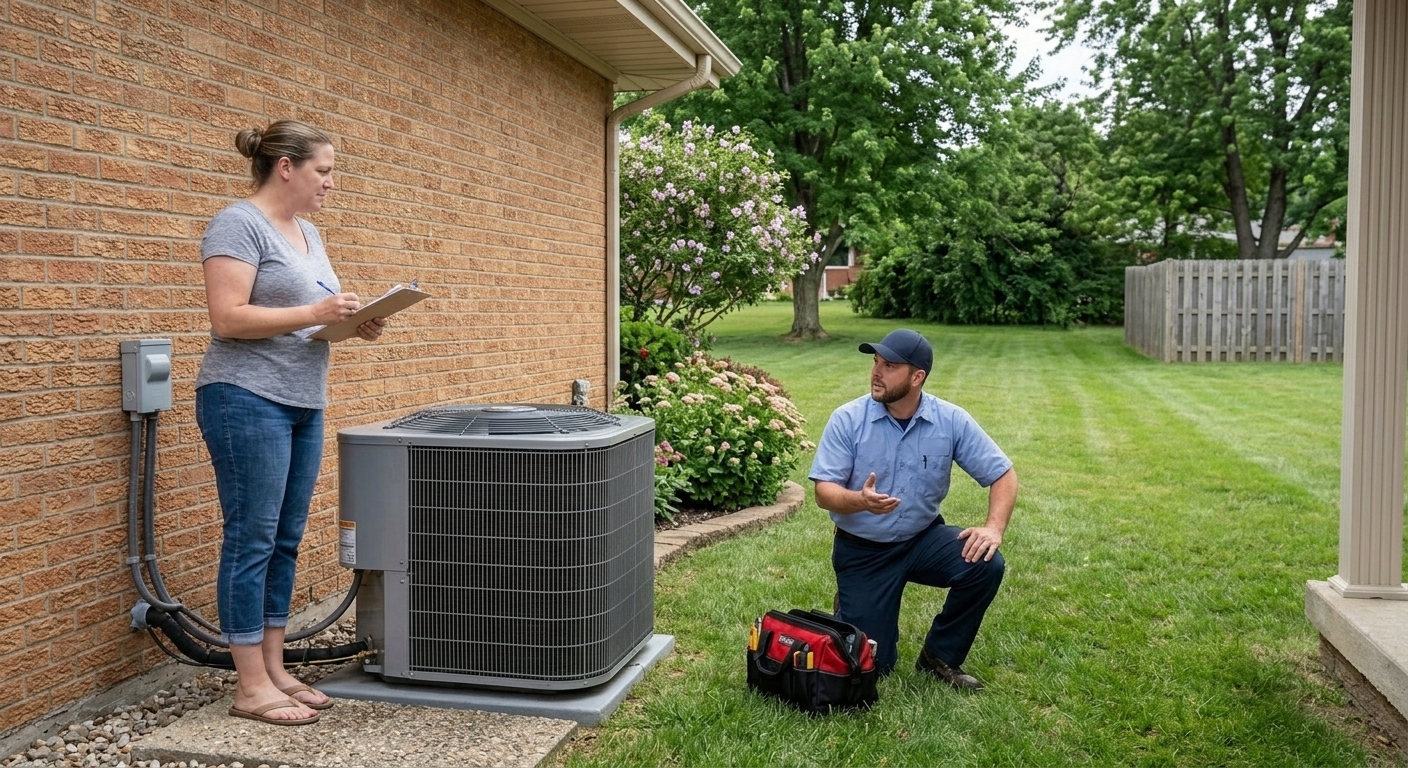
So here's what matters. If you're calling in a pro to diagnose your heating or cooling system, that visit comes with a baseline cost. Just don't assume that fee covers the fix. Every service call should come with transparency. Every quote needs backup. And every decision about whether to repair or replace should be grounded in what the system needs — not just what sounds cheap in the moment.
The Fee Covers the Visit, Not Always the Fix
Nine times out of ten, the service call charge gets you a technician at your door and an assessment of what's failing. That's diagnostic time, travel, and the initial inspection. The IRS won't care about this, but your wallet will — because that fee rarely includes parts or labor to actually solve the issue.
If the problem turns out to be a quick thermostat adjustment? You might be done. But if your compressor's shot or your blower motor needs swapping? Different story. Repairs get quoted separately, and those numbers can climb fast. We see this play out every summer when air conditioners fail during heat waves. Plenty of homeowners think the service call is the total cost — it's not. And when parts get ordered or major work gets scheduled, the bill expands unless you ask upfront what's included.
Location and Timing Drive the Numbers
You can't write off geography when it comes to pricing — metropolitan areas charge more than rural towns. That's overhead, demand, and competitive pressure all rolled into one. The baseline for most service calls sits between seventy-five and two hundred dollars nationwide, but where you fall in that range depends heavily on your zip code.
Here's where that matters most:
- Urban markets with high cost of living push fees toward the upper end
- Rural or suburban areas with lower overhead often land closer to the minimum
- Peak seasons — summer for cooling, winter for heating — inflate demand and drive up emergency pricing
- After-hours or weekend calls can double the standard rate
- Established companies with strong reputations may charge premiums, but you're paying for reliability and experience
When Standard Pricing Doesn't Apply
Want to claim a fair rate? You'll need to call during business hours and avoid emergencies. The HVAC industry has three main checkpoints that determine whether you're paying baseline or premium:
- You scheduled the appointment in advance, not during a crisis
- The service happens during regular working hours, not evenings or holidays
- The issue isn't urgent — no gas leaks, no total system failures in extreme weather
Miss one of those, and the pricing jumps. Even if the actual repair takes the same amount of time. And if you're calling on a holiday weekend when your furnace dies in January? That portion's going to hurt. No discounts for timing you can't control, even if your system picked the worst moment to quit.
What the Baseline Fee Actually Buys You
The service call fee isn't arbitrary. It covers real costs that every HVAC company faces, whether they're a one-truck operation or a regional chain.
Here's what your money typically includes:
- Travel time and fuel costs to reach your property
- Initial system inspection and diagnostic testing
- Basic troubleshooting to identify the root cause
- A written or verbal estimate for any necessary repairs or parts
- Professional expertise — the technician's training and certification aren't free
Your Budget Is Only As Good As Your Maintenance Record
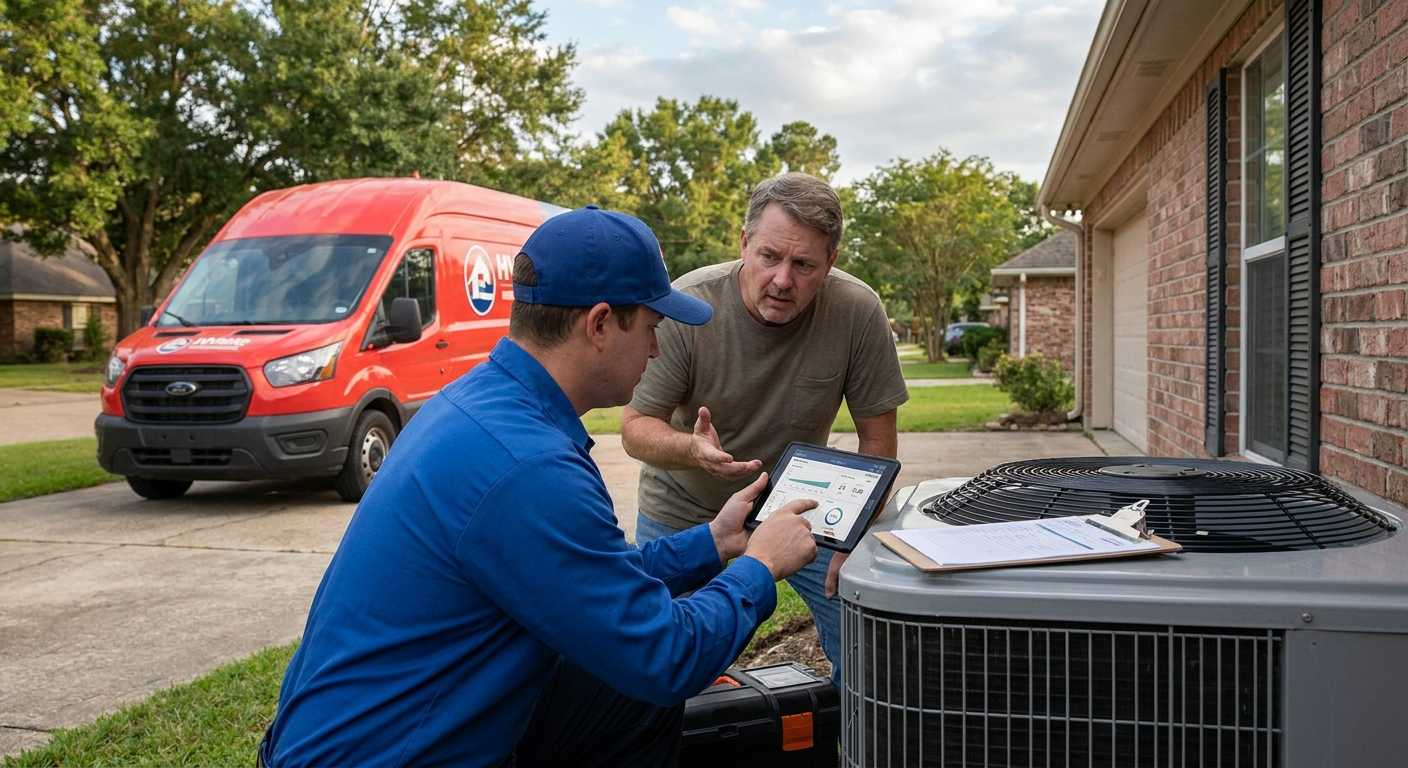
Want to avoid surprise service calls? Show your system some attention. You'll need more than just a filter change once in a while to keep major repairs at bay.
Here's what your maintenance routine should include:
- Annual inspections before peak heating and cooling seasons
- Regular filter replacements — monthly or quarterly depending on usage
- Coil cleaning to prevent efficiency loss and breakdowns
- Refrigerant level checks to catch leaks before they cause compressor failure
If the technician shows up and finds years of neglect, they won't just take your word that "it was working fine last month." Skipping maintenance is one of the fastest ways to turn a minor issue into a major expense. So if that system you've been ignoring finally quits on the hottest day of summer, you'd better have records showing you at least tried to keep it running.
Where Most Homeowners Slip Up
Trying to save a few bucks by ignoring strange noises or weak airflow? The HVAC gods won't find that clever. Small problems become expensive failures when you wait too long. Most homeowners play it safe by scheduling regular tune-ups — and plenty stay ahead of breakdowns by catching issues early.
Don't wait until your system dies to start asking about service call fees. If you ignore warning signs, you're guaranteeing a more expensive visit. If you call at the first hint of trouble, you might catch something fixable before it cascades into catastrophe. Regular check-ins prevent emergency pricing. They're boring. They work.
Calling in a Pro Beats Guessing
If your system's acting up and you're not sure whether it's worth a service call, you're in territory where DIY gets risky. A qualified technician helps you identify which repairs are urgent and which can wait, apply fair pricing without hidden fees, separate normal wear from serious failure, and keep your system running efficiently for years.
It's not just about avoiding a breakdown this season. It's about setting up clean habits that keep your home comfortable and your costs predictable for the long haul. Taking on a service call isn't the hard part. Understanding what you're paying for — and knowing when to act instead of waiting — that's where homeowners get caught off guard. There's no excuse for ignoring warning signs when preventive maintenance is there for the taking. But there's also no sympathy when you let a fixable problem turn into a full system replacement because you waited too long.
Let's Keep Your Home Comfortable
We know how important it is to have an HVAC system you can count on, especially when the weather turns. If you have questions about service call pricing or want to schedule a visit, let's talk it through together. Give us a call at 985-551-4347 or Contact us today so we can help you stay ahead of costly surprises and keep your home running smoothly.
‹ Back
Recent Posts
-
October 8, 2026
Simple Ways to Improve AC Airflow in Hammond Homes
-
September 24, 2026
How Long Do Furnaces Usually Last in Hammond?
-
September 10, 2026
How Often Should A Heating System Be Serviced?
-
August 27, 2026
How Often Should An AC System Be Serviced?
-
August 13, 2026
Why Is My AC Running But Not Cooling?

- MAJANO HEATING AND A/C
11618 Wendell Ln, Hammond, LA 70401 - PHONE
985-551-4347 - EMAIL
Juan.Majano1980@gmail.com
WE’RE OPEN
Monday - Sunday: 24/7
WE ACCEPT



Site by