

October 22, 2026
Do You Need a Bigger AC Unit After a Home Addition in Hammond?
Adding space to your home changes more than your floor plan. It shifts how your cooling system performs—and not always in ways you'll notice right away. The AC that kept your original footprint comfortable may now be fighting a losing battle. Square footage grows, heat load increases, and suddenly you're dealing with uneven temps and a unit that won't shut off.
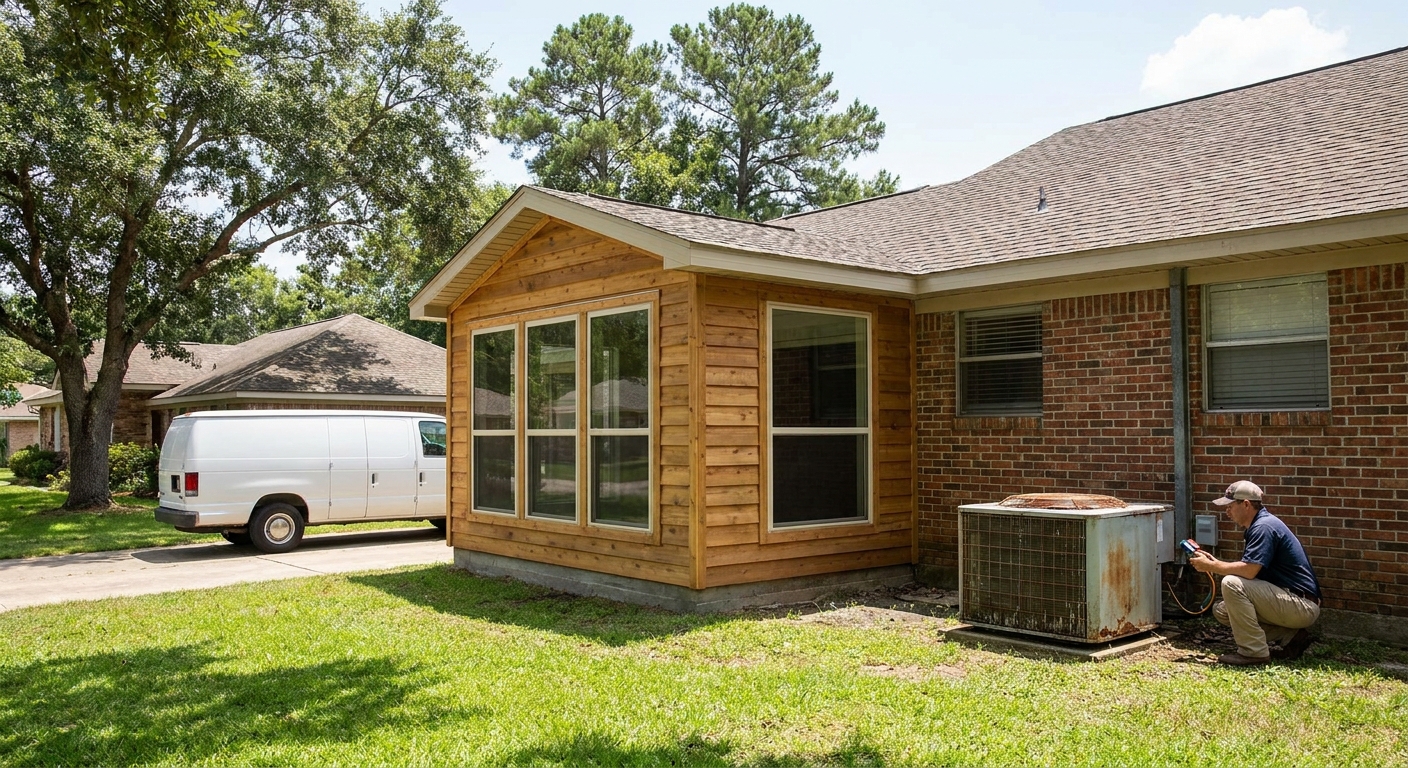
Most homeowners don't think about tonnage until something feels wrong. But by then, the damage is done. Your system's been overworked for months, your bills have crept up, and the new addition feels like a sauna compared to the rest of the house. If you've expanded your home in Hammond, it's time to ask whether your AC is still up to the job—or if it's already behind.
Your Old System Wasn't Built for New Space
Air conditioners are engineered for specific loads. When your HVAC contractor installed your current unit, they sized it based on the home you had—not the home you're planning. Every ton of cooling capacity covers a certain amount of area, factored against insulation, window exposure, ceiling height, and climate. Add a bedroom, sunroom, or expanded kitchen, and that calculation no longer holds.
An undersized system doesn't just struggle. It runs nonstop, wears out faster, and still can't deliver consistent comfort. You'll feel it first in the new rooms, then in higher utility costs, then in repair calls that start stacking up.
What Changes When You Build Out
New construction introduces variables your original system wasn't designed to handle. More exterior walls mean more surface area absorbing heat. Additional windows let in sunlight and radiant energy. Even the orientation of your addition matters—south-facing rooms in Hammond take a beating during summer afternoons.
Insulation quality plays a role too. If your addition wasn't built to the same thermal standards as the rest of your home, it'll demand more cooling power. And if you're adding occupants or heat-generating appliances, that load grows even further. All of this compounds into a demand your existing AC may not be able to meet.
Red Flags That Your AC Is Outmatched
- Temperature swings between the original home and the new addition
- AC running constantly without cycling off
- Indoor humidity climbing despite the system running
- Energy bills spiking with no other explanation
- Thermostat settings that used to work now fall short
Any one of these is worth investigating. If you're seeing multiple signs, your system is telling you it's outmatched. Ignoring it won't make the problem go away—it'll just make the repair bill bigger when something finally breaks.
The Only Way to Know for Sure
Guessing at tonnage is a gamble you don't want to take. A proper Manual J load calculation accounts for everything—square footage, insulation values, window types, duct layout, and local climate. In Hammond, where summer heat and humidity hit hard, that precision matters. A qualified HVAC pro can run the numbers and tell you exactly what your home needs now.
Oversizing is just as bad as undersizing. A too-large unit will cool too fast, shut off before dehumidifying, and leave your home clammy and uncomfortable. It'll also cost you more upfront and waste energy long-term. The right size is the only size that works.
Options That Don't Involve Ripping Out Your System
Replacing your AC isn't always the answer. Depending on how much space you added and where, you might have alternatives that save money and still solve the problem:
- Install a ductless mini-split to handle the addition independently
- Upgrade insulation and seal air leaks to reduce thermal load
- Extend or rebalance your ductwork to improve airflow distribution
- Add zone controls to manage cooling more efficiently across multiple areas
Each option has trade-offs. A ductless system gives you flexibility and efficiency but won't integrate with your existing setup. Better insulation reduces demand but won't fix an already-undersized unit. Talk through your goals with a contractor who can map out what makes sense for your budget and your home.
Why Local Expertise Matters in Hammond
Climate isn't theoretical. Hammond's heat index, humidity levels, and seasonal extremes all factor into how your AC performs. A contractor who works in your area knows what systems hold up, what loads are realistic, and what mistakes to avoid. They've seen how homes like yours respond to additions, and they've solved the problems that follow.
Generic online calculators won't cut it. You need someone who can walk your property, measure your addition, and account for the details that actually affect comfort. That's not guesswork—it's engineering.
When to Act and What to Expect
If you've already completed your addition and you're noticing performance issues, don't wait for the next heatwave to take action. Schedule an evaluation before peak season hits. If you're still in the planning phase, bring HVAC into the conversation early. Sizing your system correctly from the start saves you from retrofitting later.
Expect the assessment to include:
- A walkthrough of your existing system and new space
- Measurement of square footage and thermal characteristics
- Review of your current ductwork and airflow
- Load calculation based on your home's updated profile
- Clear recommendations with cost breakdowns
The Real Cost of Getting It Wrong
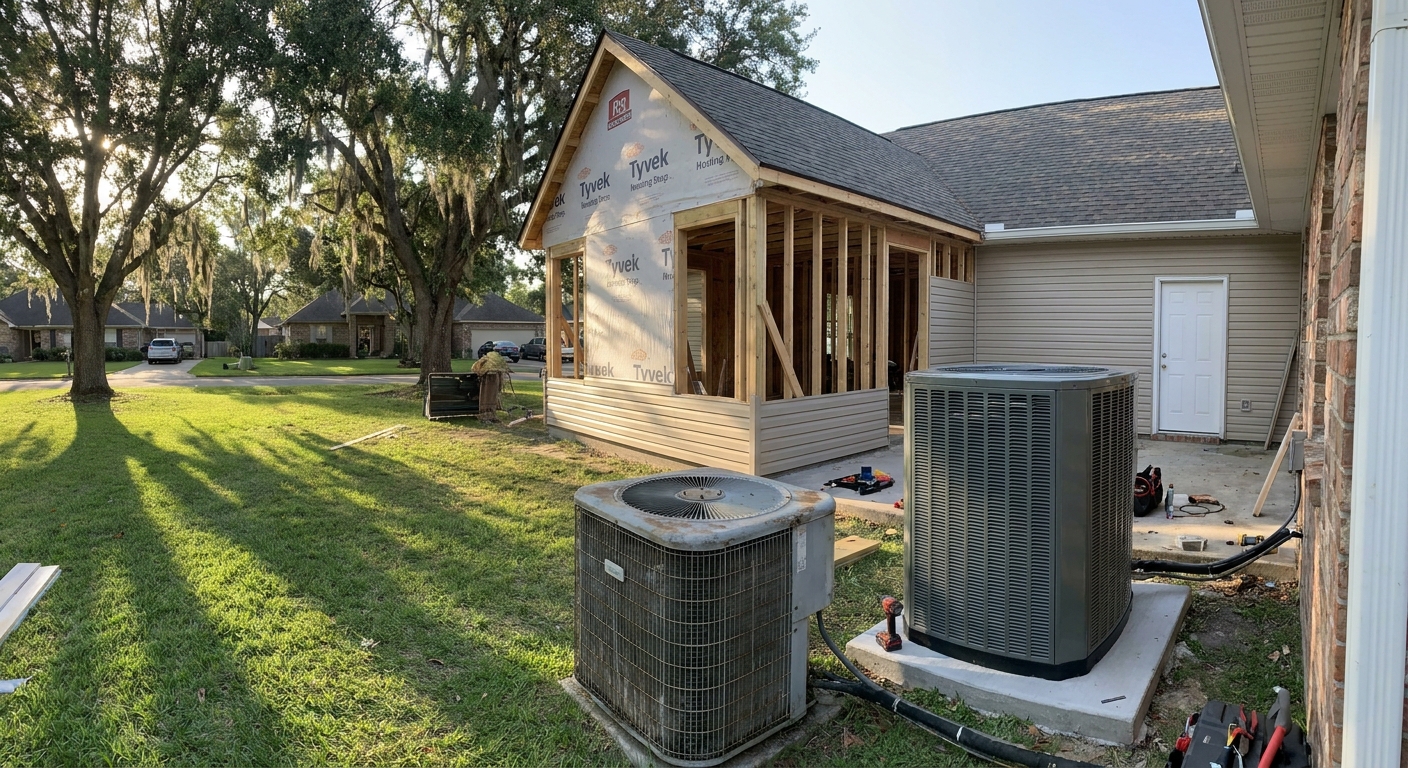
Skipping the evaluation or trying to stretch your old system past its limits costs more than you think. You'll burn through energy, rack up service calls, and still live with uneven cooling. When the unit finally gives out, you'll be replacing it during emergency conditions—paying premium prices for rushed installation.
Getting it right the first time means you're set for years. Your system runs efficiently, your home stays comfortable, and you're not throwing money at problems that should've been solved during the build-out.
Your Addition Deserves the Same Comfort as the Rest of Your Home
You didn't expand your home just to sweat through summer in the new rooms. The space you added should feel just as comfortable as the rest of your house—and with the right cooling strategy, it will. Whether that means upgrading your AC, adding a supplemental system, or fine-tuning what you've got, the answer starts with an honest assessment of what your home needs now.
Don't let your cooling system become the weak link in an otherwise great renovation. Talk to a Hammond HVAC professional who can give you straight answers, real solutions, and a plan that works for your home and your budget. The sooner you address it, the better off you'll be when the heat comes back around.
Let’s Make Your Home Addition Truly Comfortable
We believe every square foot of your home should feel just right—no matter how much you’ve expanded. If you’re ready to enjoy even, reliable cooling throughout your new space, let’s talk about the best solution for your needs. Call us at 985-551-4347 or contact our team today and let’s make sure your comfort keeps up with your home.
‹ Back
Recent Posts
-
October 22, 2026
Do You Need a Bigger AC Unit After a Home Addition in Hammond?
-
October 8, 2026
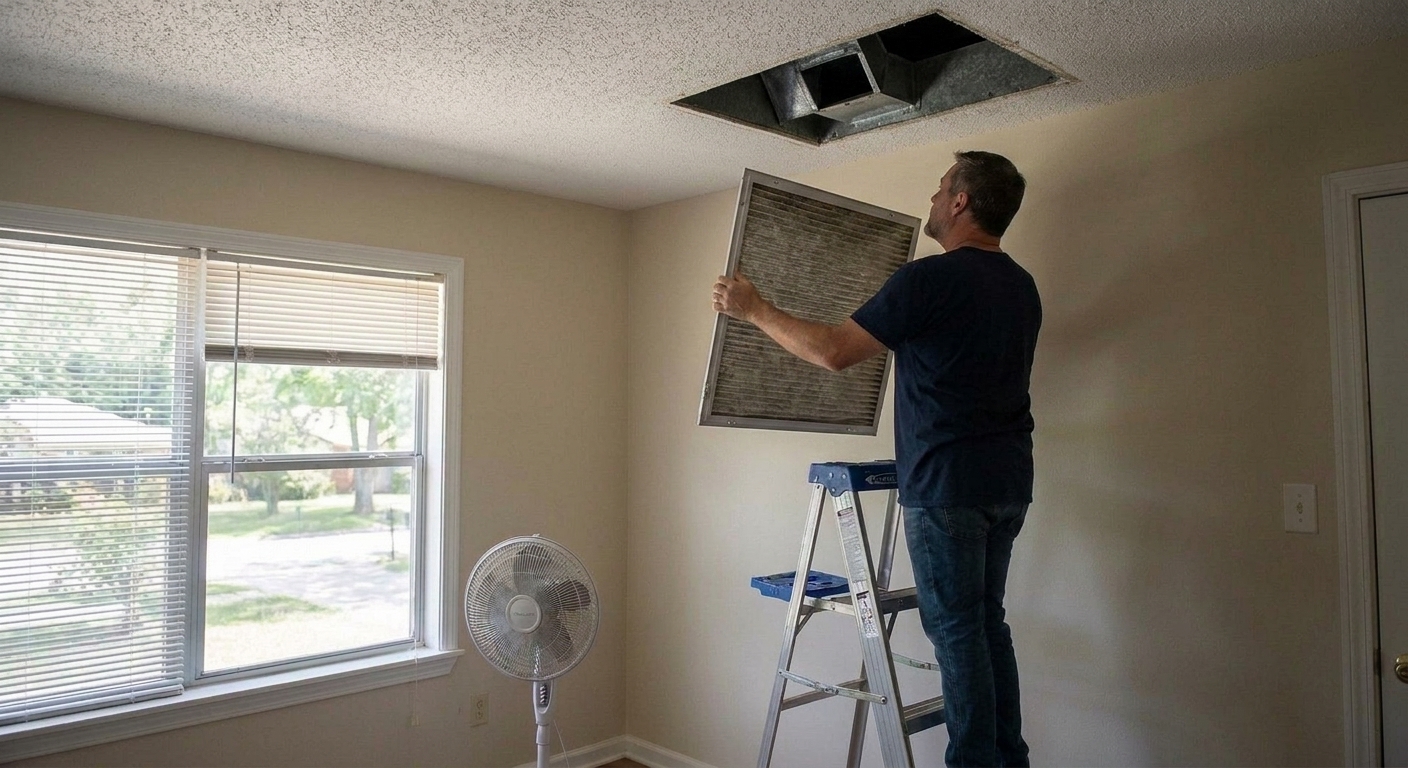
Simple Ways to Improve AC Airflow in Hammond Homes
-
September 24, 2026
How Long Do Furnaces Usually Last in Hammond?
-
September 10, 2026
How Often Should A Heating System Be Serviced?
-
August 27, 2026
How Often Should An AC System Be Serviced?

- MAJANO HEATING AND A/C
11618 Wendell Ln, Hammond, LA 70401 - PHONE
985-551-4347 - EMAIL
Juan.Majano1980@gmail.com
WE’RE OPEN
Monday - Sunday: 24/7
WE ACCEPT



Site by