

September 24, 2026
How Long Do Furnaces Usually Last in Hammond?
Most homeowners think furnaces are set-it-and-forget-it equipment. Fire it up in November, shut it down in March, repeat. But that's not how longevity works—and if you're treating your heating system like it's invincible, you're setting yourself up for a cold wake-up call. Furnaces don't fail on a schedule. They fail when maintenance gets skipped, installations get rushed, or the warning signs get ignored.
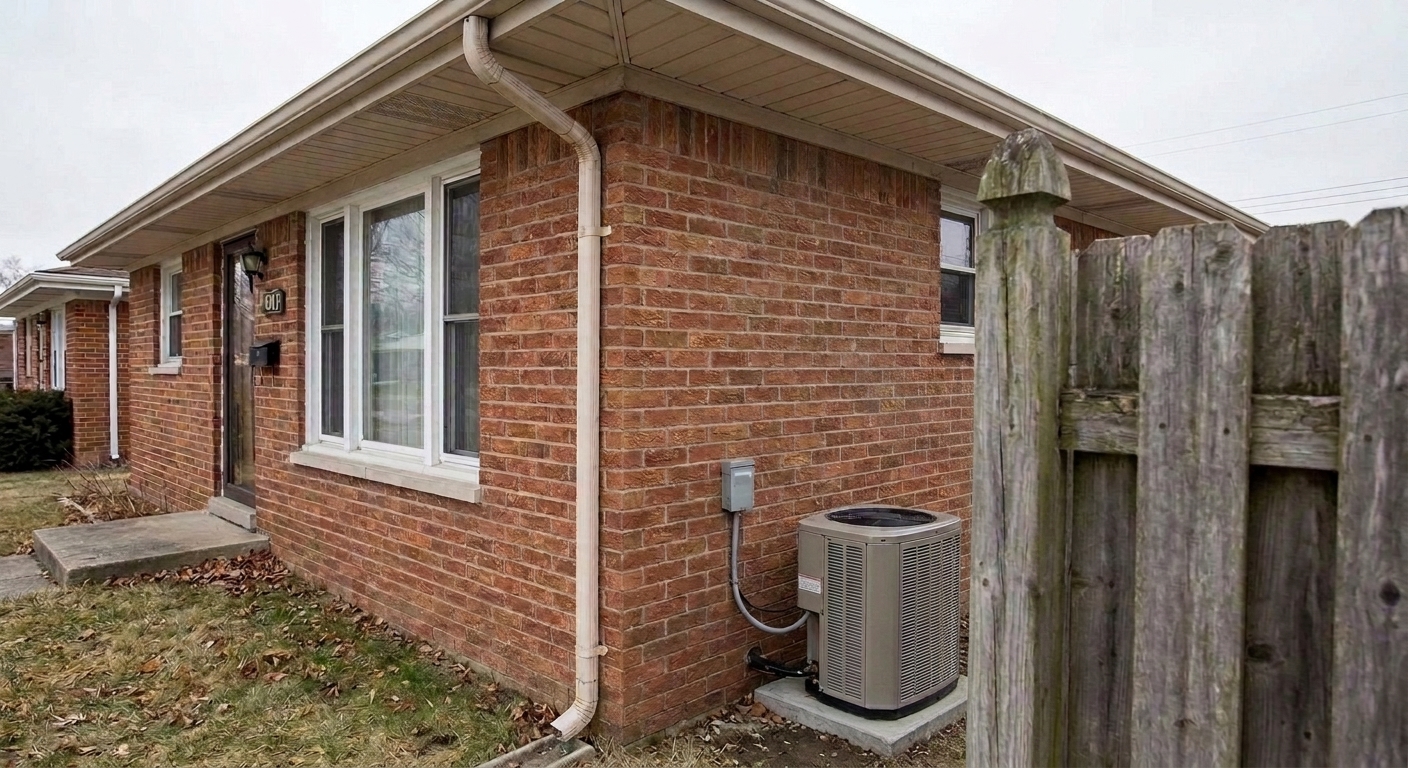
Hammond, Louisiana winters might not bring snow, but they still demand reliable heat. When temperatures drop into the 30s and 40s on those damp, chilly nights, your furnace needs to work. The seasonal on-and-off cycling, combined with Louisiana's humidity swings, puts stress on your equipment year after year. If you want it to last, you need to understand what affects its lifespan—and what kills it early. Every furnace has a shelf life. The question is whether you're pushing it to the limit or managing it wisely.
What the Numbers Actually Say
Gas furnaces typically run for fifteen to twenty years before they start breaking down more often than they're running. Electric units can stretch a bit longer—sometimes hitting twenty-five years if the stars align. Oil-fired systems fall somewhere in the middle. But those ranges aren't guarantees. They're averages based on decent upkeep and normal use.
In Hammond, Louisiana, normal use means running your system during cooler months, then letting it sit idle through long, humid summers. That on-and-off cycle, combined with dusty air and moisture swings from Louisiana's climate, puts stress on components. If you're not maintaining the system between seasons, you're shaving years off its life. And if the installer cut corners during setup, you might not even hit the low end of that range.
What Drags Down the Clock
Your furnace doesn't die from old age. It dies from neglect, bad air, overwork, and poor installation. Here's what actually matters when it comes to lifespan.
- How often you service it: Annual checkups catch problems early. Skip them, and small issues turn into expensive failures.
- Whether it was sized right: An oversized furnace short-cycles and burns out faster. An undersized one runs nonstop and can't keep up.
- How hard it works each season: Heavy use wears down parts. If your system runs constantly because your home leaks air, expect shorter service life.
- Air quality inside your house: Dust, pet hair, and moisture clog filters and coat internal components. Dirty systems work harder and fail sooner.
- What fuel it burns: Gas, electric, and oil furnaces age differently. The type you've got shapes the timeline.
The Red Flags You Shouldn't Ignore
No furnace sends a calendar invite before it quits. But it does send signals—and most people miss them until it's too late. If you're paying attention, you'll know when replacement is around the corner.
- Repair calls are piling up: If you're calling your HVAC tech every few months, you're spending more to keep it alive than it would cost to replace it.
- Your energy bills are climbing: Older systems lose efficiency. If your usage hasn't changed but your bills have, the furnace is working harder to produce the same heat.
- Rooms heat unevenly: Cold spots mean your system can't distribute air properly. That's a sign the blower or ductwork is struggling.
- It's making noise it didn't used to: Banging, screeching, or rattling isn't normal. It's a symptom of mechanical breakdown.
- The flame burns yellow instead of blue: This is a combustion issue and a potential safety hazard. Get it checked immediately.
How to Squeeze Out Every Year
You can't stop a furnace from aging, but you can slow it down. The difference between fifteen years and twenty often comes down to how you treat the equipment between breakdowns.
- Get it serviced every fall: Before heating season starts in Hammond, have a pro inspect, clean, and tune your system. This prevents emergency failures mid-season.
- Swap filters monthly during heavy use: Clogged filters choke airflow and force the blower to overwork. Fresh filters keep the system breathing.
- Stop air leaks and insulate properly: If your home is bleeding heat, your furnace runs longer and harder. Fix the envelope, lighten the load.
- Use a programmable thermostat: Running the system only when you need it reduces wear and cuts energy waste.
When Replacement Beats Repair
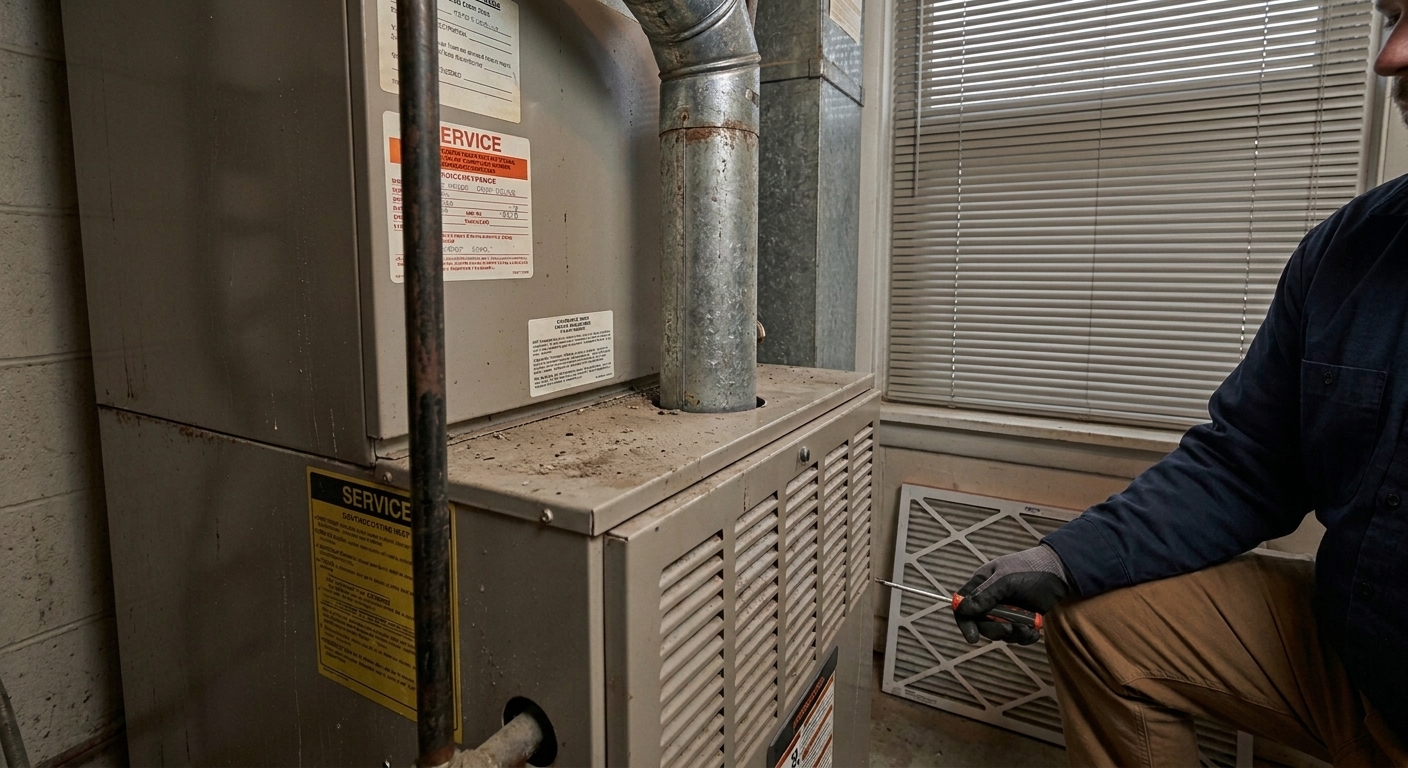
If your furnace is past the fifteen-year mark and repair estimates are creeping into four figures, it's time to do the math. Newer systems run cleaner, use less energy, and come with warranties that cover major failures. Replacing before a breakdown also means you control the timing—no emergency calls, no surprise failures, no scrambling for same-day installs when you need heat most.
Waiting until failure is expensive and inconvenient. Replacing proactively is a controlled decision with better financing options and more choices. If the system is showing multiple symptoms and the tech is hinting at replacement, listen. The cost of running an old, inefficient furnace through another heating season often exceeds the cost of upgrading.
The Real Lifespan Comes Down to You
Furnaces don't decide when they quit. You do—through the maintenance you schedule, the air quality you manage, and the attention you pay to early warnings. Hammond's humid climate and seasonal temperature shifts don't give you room for error. The system either works or it doesn't, and when it doesn't, it's usually because someone ignored the basics. Keep it clean, service it annually, and replace it before it fails. That's how you turn fifteen years into twenty—and avoid the kind of breakdowns that happen on the coldest night of the year when you need heat most.
Let's Keep Your Home Comfortable—Year After Year
We know how important a reliable furnace is when Hammond, Louisiana's temperatures drop. If you're ready to make your heating system last or need honest advice about replacement, let's talk it through together. Call us at 985-551-4347 or contact our team today and we'll help you stay comfortable, no matter what the season brings.
‹ Back
Recent Posts
-
September 24, 2026
How Long Do Furnaces Usually Last in Hammond?
-
September 10, 2026
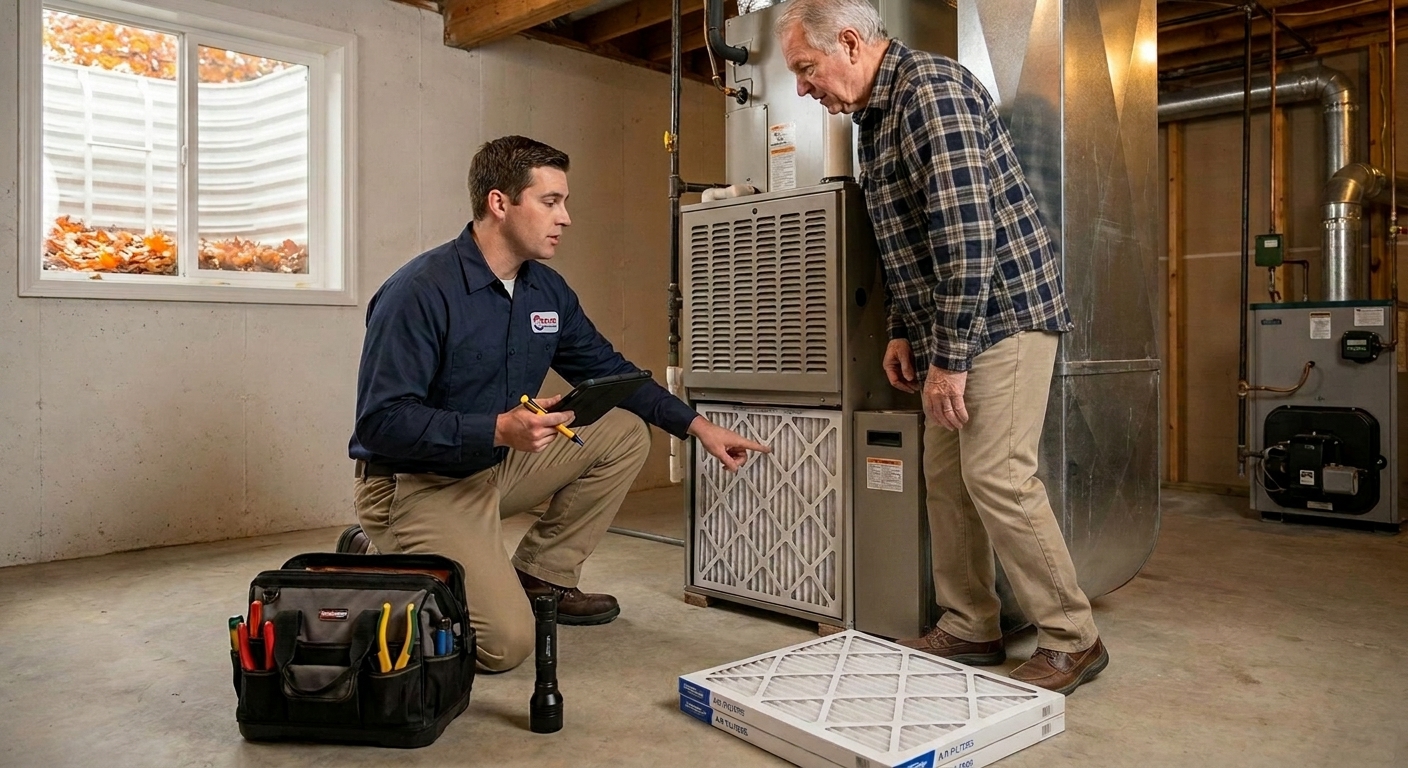
How Often Should A Heating System Be Serviced?
-
August 27, 2026
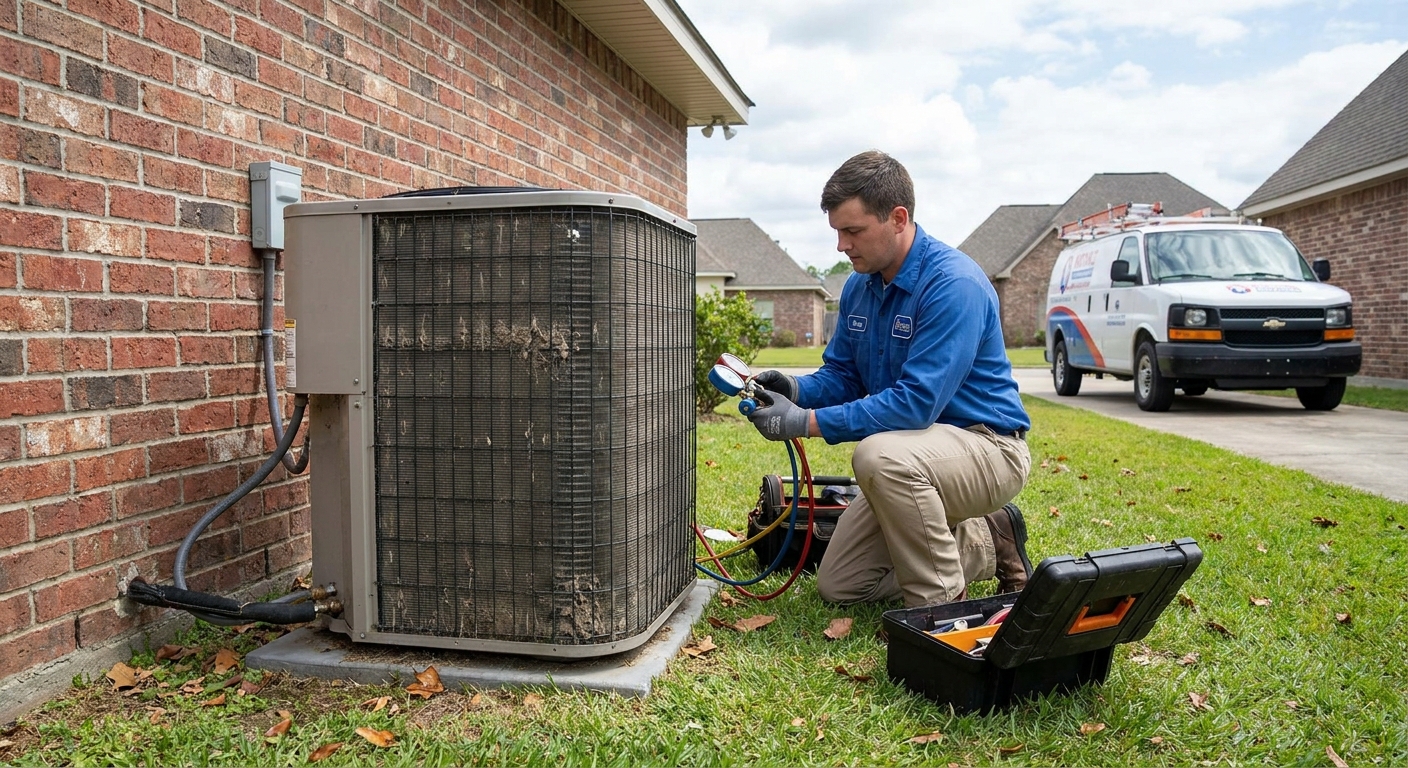
How Often Should An AC System Be Serviced?
-
August 13, 2026
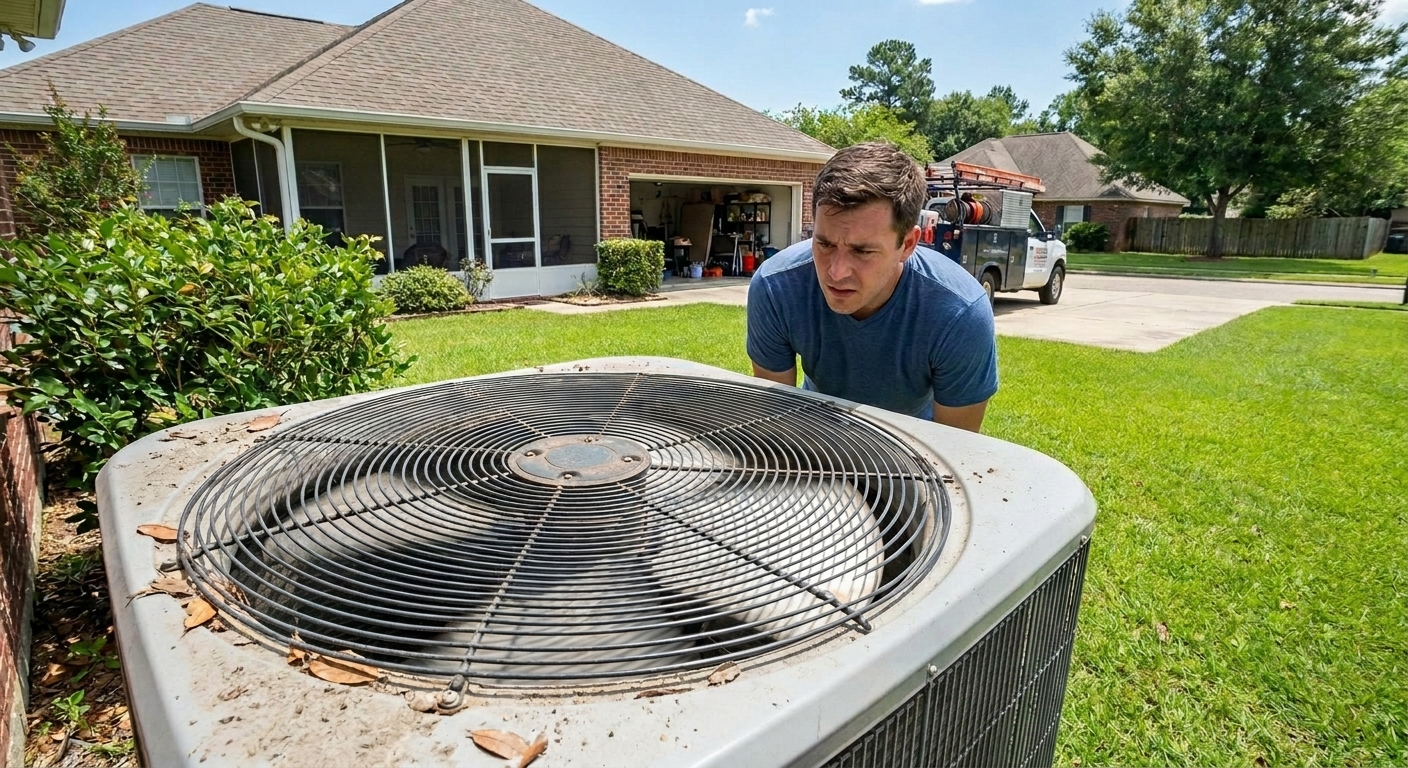
Why Is My AC Running But Not Cooling?
-
July 30, 2026
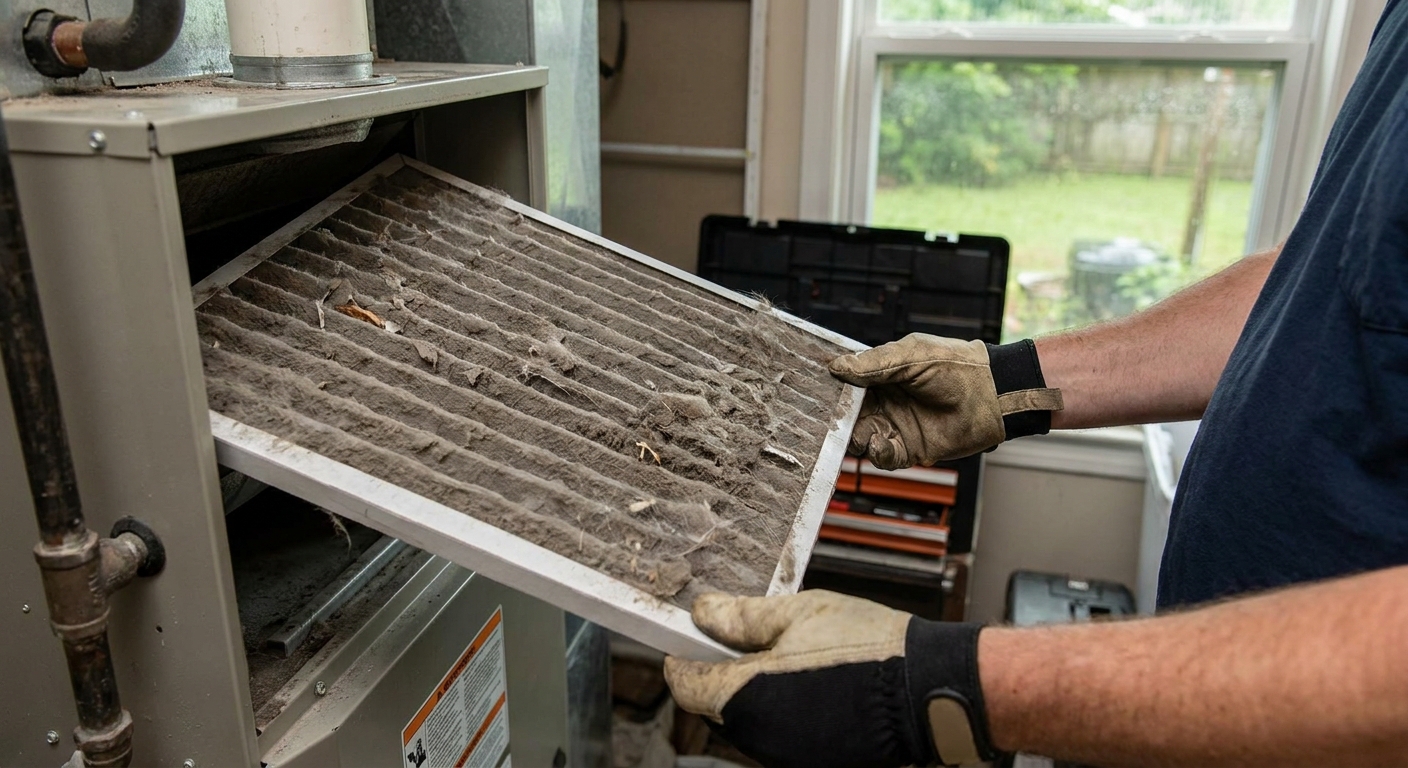
What Is The Most Common HVAC Problem?

- MAJANO HEATING AND A/C
11618 Wendell Ln, Hammond, LA 70401 - PHONE
985-551-4347 - EMAIL
Juan.Majano1980@gmail.com
WE’RE OPEN
Monday - Sunday: 24/7
WE ACCEPT



Site by