

September 10, 2026
How Often Should A Heating System Be Serviced?
Your furnace works fine — until it doesn't. Most homeowners treat their heating system like furniture. It's there. It runs. They forget about it. But when winter hits hard and the system goes silent, that's when the phone calls start. The problem isn't the equipment. It's the assumption that metal and motors hold up forever without maintenance.
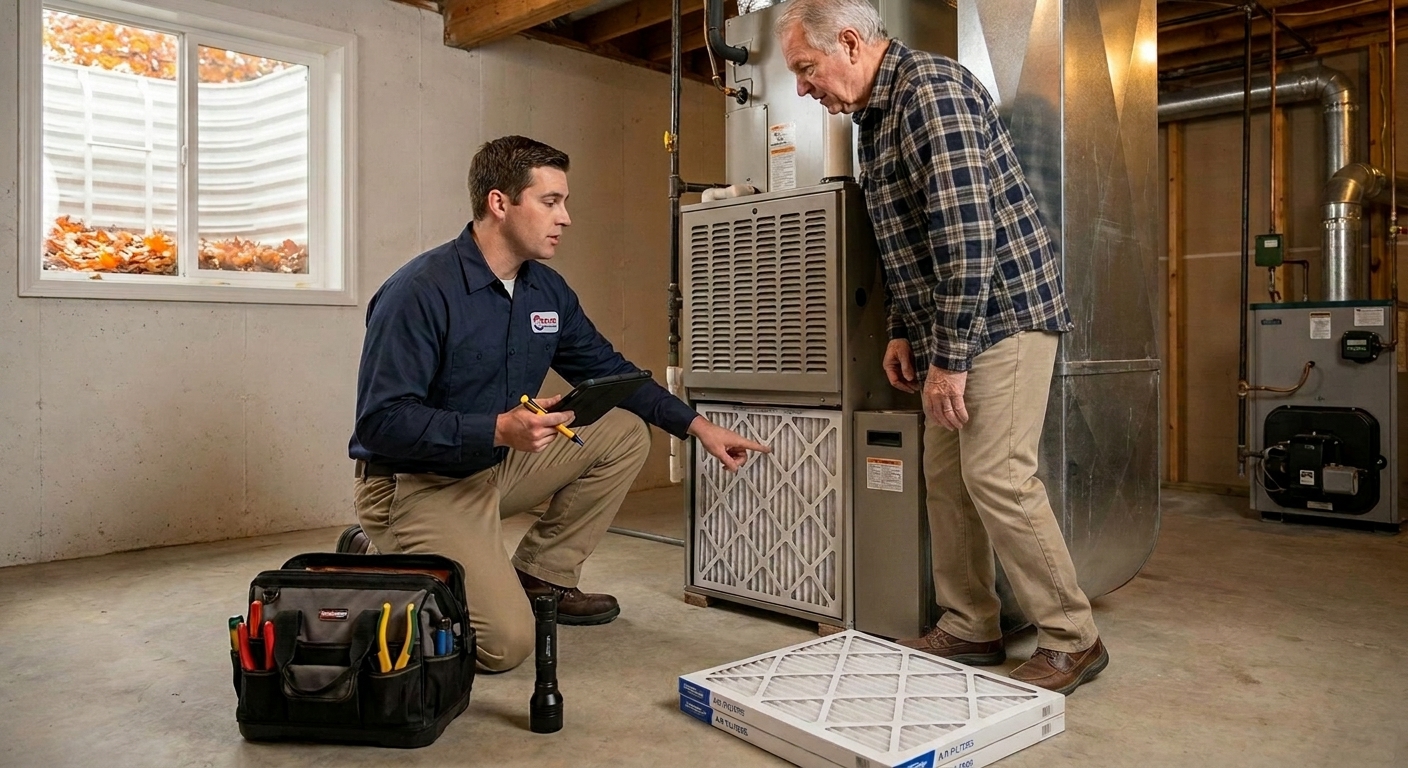
Here's what we know from years of working with property owners: the difference between a system that lasts fifteen years and one that dies at eight comes down to routine upkeep. Not luck. Not brand loyalty. Just consistency. And if you're wondering how often your heating equipment actually needs professional attention, the answer matters more than you think.
Once a Year Is the Standard
We recommend servicing your heating system annually. Not every other year. Not when something sounds off. Every year, before the cold weather arrives. That gives technicians time to catch worn components, clean out buildup, and verify that safety controls are functioning. Fall is the ideal window — late September through October — because you're ahead of the demand spike and scheduling is easier.
This isn't a suggestion pulled from thin air. Manufacturers write it into warranty terms. HVAC pros build their service calendars around it. And homeowners who follow it report fewer breakdowns, lower energy bills, and longer equipment life. Skip a year and you're gambling. Skip three and you're asking for trouble.
System Type Changes the Schedule
Not all heating equipment operates on the same timeline. If you're running a heat pump that handles both heating and cooling, you'll need service twice a year — once before winter, once before summer. Dual-function systems work harder and accumulate stress faster. Furnaces and boilers, on the other hand, typically need one annual visit focused on combustion safety, airflow, and mechanical integrity.
Here's how we break it down by equipment:
- Gas furnaces need annual checks for burner efficiency, heat exchanger cracks, and carbon monoxide risks
- Oil furnaces require fuel system inspection, nozzle cleaning, and combustion analysis every year
- Boilers demand pressure testing, leak detection, and circulator pump review on an annual basis
- Heat pumps should be serviced twice — refrigerant levels, coil condition, and defrost cycles checked each season
- Electric resistance systems need less frequent mechanical service but still benefit from airflow and thermostat calibration annually
Efficiency Drops When Maintenance Stops
Dirty filters choke airflow. Worn belts slip. Burners clog with carbon deposits. None of this happens overnight, but all of it costs you money. A neglected heating system can lose ten to twenty percent efficiency over just a few seasons. That's wasted fuel, higher utility bills, and equipment working harder than it should to deliver the same heat.
Annual service addresses these silent drains before they compound. Technicians clean blower assemblies, test ignition sequences, and adjust gas pressures to manufacturer specs. The result isn't just a system that runs — it's one that runs the way it was designed to, burning less fuel and throwing less wear on critical parts.
Safety Issues Don't Announce Themselves
Carbon monoxide leaks don't smell. Cracked heat exchangers don't make noise. Gas valve malfunctions won't flash a warning light on your thermostat. These are the risks that show up when maintenance gets skipped, and they're the ones that land people in emergency rooms or worse.
We've seen it. A homeowner thinks everything's fine because the house is warm. Then a carbon monoxide detector goes off — or doesn't, if they never installed one. Annual service includes combustion testing, flue inspection, and safety control verification. It's not paranoia. It's the baseline for responsible system operation.
What Happens During a Service Call
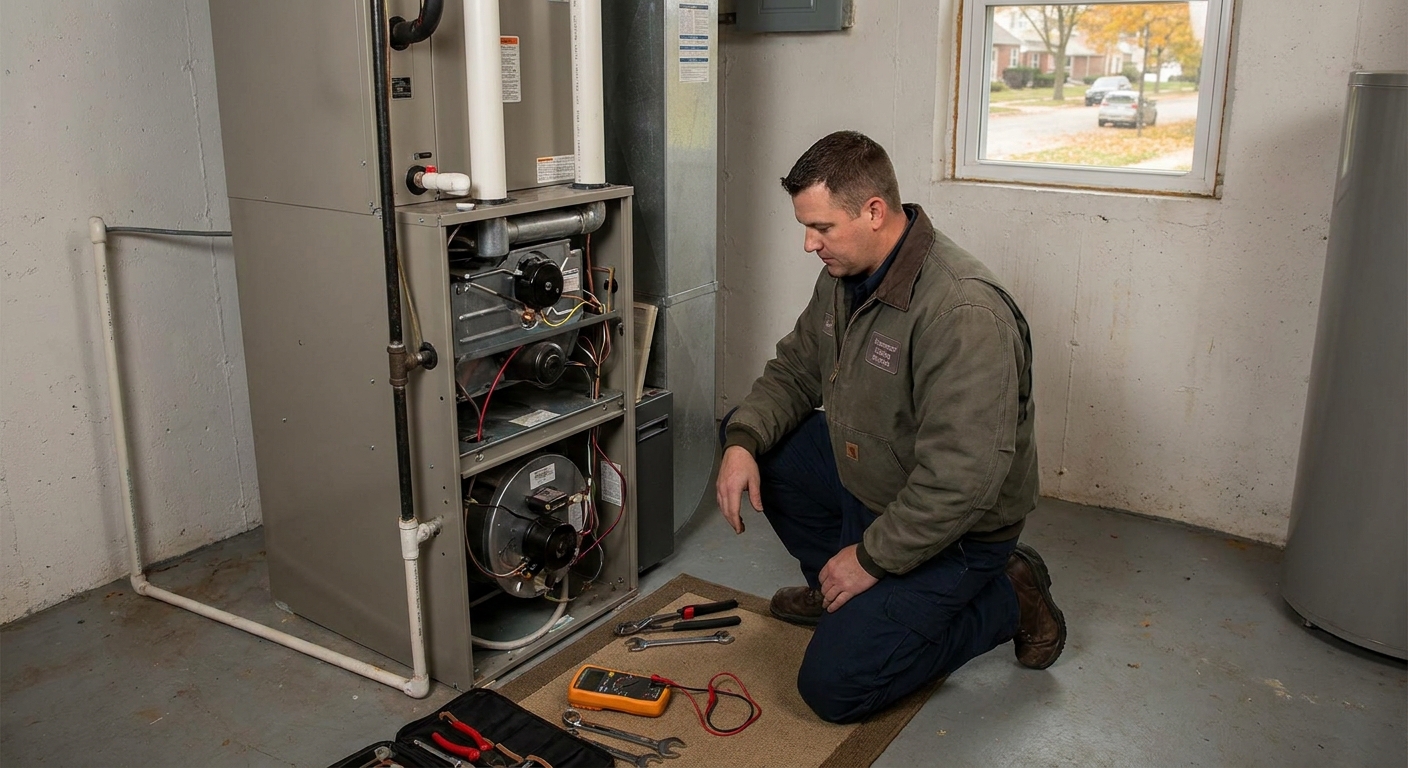
A real service appointment isn't a quick look and a thumbs-up. Technicians should be spending at least an hour on your system, depending on its complexity. They'll inspect electrical connections, measure airflow, test limit switches, and document performance metrics. If something's wearing out, they'll flag it before it fails.
Standard tasks include:
- Filter replacement or cleaning to restore airflow
- Burner or heating element inspection for proper operation
- Thermostat calibration to match actual temperature demand
- Blower motor lubrication and belt tension adjustment
- Ductwork check for leaks or disconnected sections
Warranties Require Proof of Maintenance
Most manufacturers won't honor warranty claims without service records. They're not being difficult — they're protecting themselves from failures caused by neglect. If your heat exchanger cracks at year six and you've never had the system serviced, expect to pay out of pocket even if the part is technically under warranty.
Keep your invoices. Date-stamped documentation from a licensed contractor proves you held up your end of the deal. It's also useful if you sell the property — buyers want to see that the equipment was maintained, and service records add value during negotiations.
Red Flags That Demand Immediate Attention
Sometimes a system needs help before the scheduled service date. If you notice any of the following, don't wait for fall to roll around. Call a technician and get it checked.
- Strange noises like banging, screeching, or rumbling during operation
- Burning smells or the odor of gas near the furnace
- Uneven heating with cold rooms or fluctuating temperatures
- Frequent cycling where the system turns on and off repeatedly
- Sudden spikes in energy bills with no change in usage patterns
DIY Tasks Between Service Calls
Annual professional service doesn't mean you're off the hook the rest of the year. Simple monthly checks keep the system running smoothly and help you catch problems early. We recommend homeowners handle basic upkeep themselves between appointments.
- Replace disposable filters every one to three months depending on use
- Clear supply and return vents of furniture, rugs, or debris
- Listen for unusual sounds when the system starts up
- Check the thermostat settings and battery if applicable
- Inspect visible ductwork for gaps or disconnections
Neglect Costs More Than Maintenance
We've seen too many situations where a two-hundred-dollar service call could have prevented a three-thousand-dollar replacement. Skipping HVAC maintenance doesn't save money. It just shifts the expense to a worse moment — usually the coldest night of the year when emergency rates apply and parts are harder to source.
Systems that receive annual attention last longer, break less often, and cost less to operate. That's not marketing talk. That's the reality of mechanical equipment under stress. Treat your heating system like an investment, not an appliance, and it'll return the favor when you need it most.
Whether you need furnace repair and services, boiler maintenance, or expert air conditioning support, we're ready to keep your systems running reliably year-round. Contact us today to schedule your annual service and protect your investment.
Let’s Keep Your Home Comfortable
Staying ahead of heating issues is all about being proactive, not reactive. When we make annual maintenance a priority, we enjoy peace of mind and lower costs all winter long. If you’re ready to make sure your heating system is prepared for the season, let’s talk. Call us at 985-551-4347 or Contact our team today and we’ll help you stay warm when it matters most.
‹ Back
Recent Posts
-
October 22, 2026
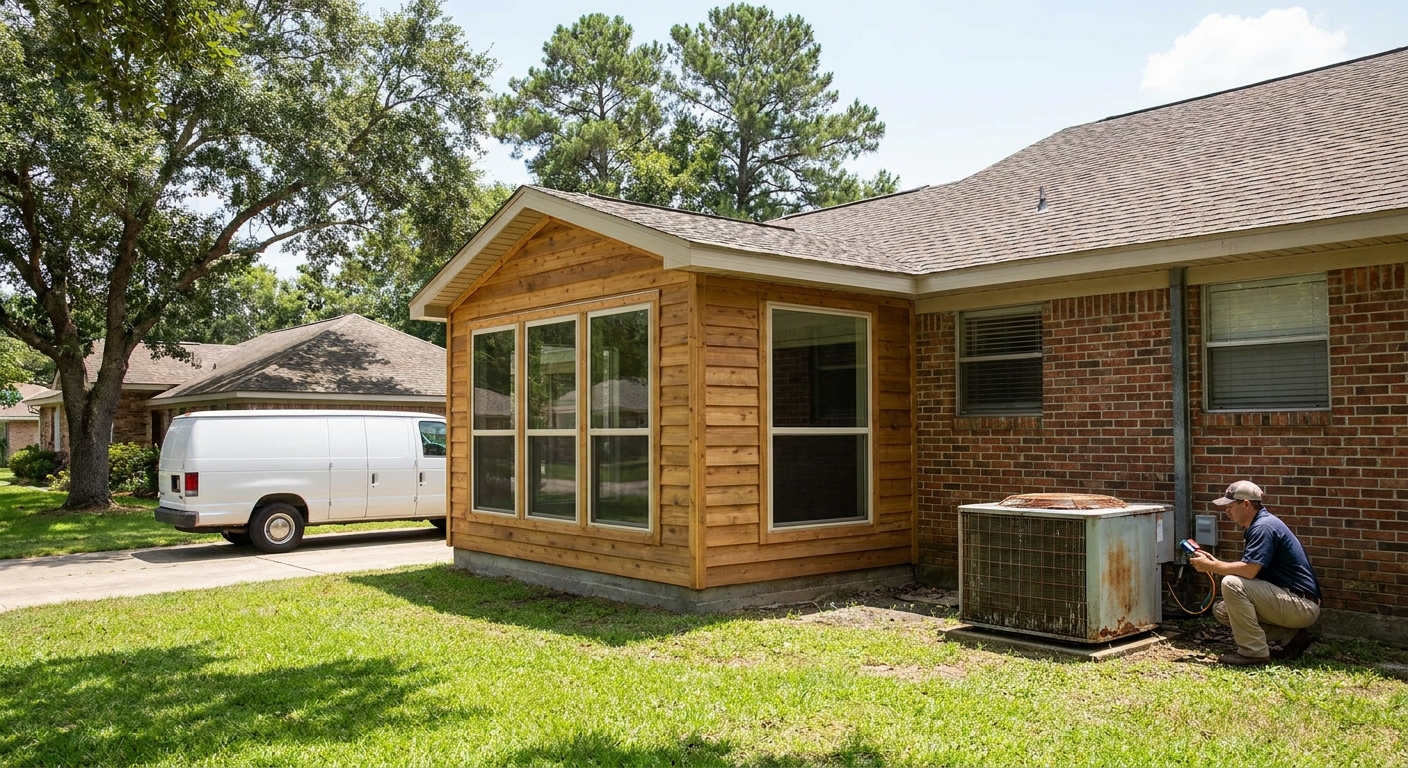
Do You Need a Bigger AC Unit After a Home Addition in Hammond?
-
October 8, 2026
Simple Ways to Improve AC Airflow in Hammond Homes
-
September 24, 2026
How Long Do Furnaces Usually Last in Hammond?
-
September 10, 2026
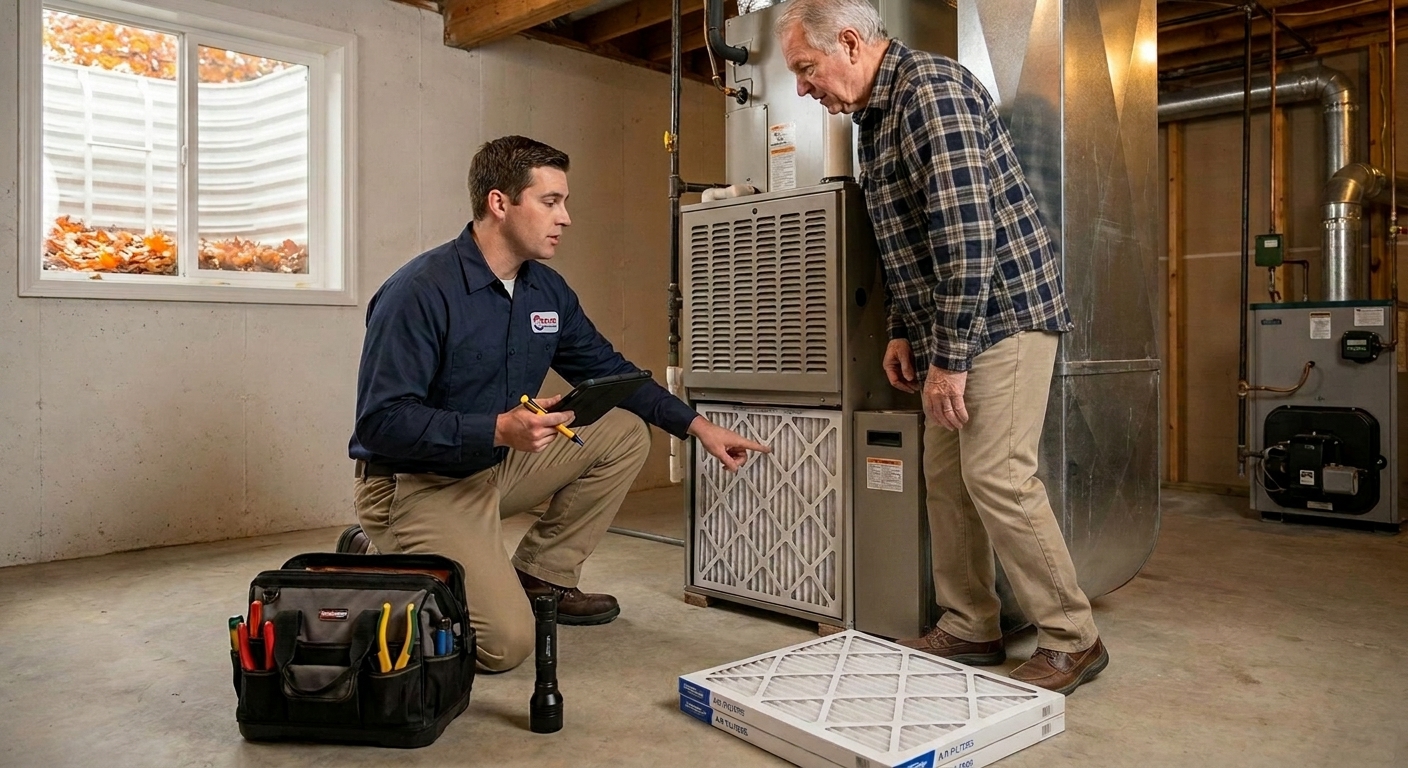
How Often Should A Heating System Be Serviced?
-
August 27, 2026
How Often Should An AC System Be Serviced?

- MAJANO HEATING AND A/C
11618 Wendell Ln, Hammond, LA 70401 - PHONE
985-551-4347 - EMAIL
Juan.Majano1980@gmail.com
WE’RE OPEN
Monday - Sunday: 24/7
WE ACCEPT



Site by