

November 19, 2026
How Indoor Humidity Affects Comfort in Hammond Homes
Most homeowners think HVAC is just about temperature. Set it and forget it. But the air you breathe isn't just warm or cold—it's wet or dry, and if you ignore that, you're in for a rough ride. Moisture levels may not show up on your thermostat, but they leave a mark on how your home feels, how your family breathes, and how long your floors and furniture last. Especially in Hammond, where humidity swings can turn a comfortable space into a sticky nightmare or a cracked-out disaster.
So here's what matters. If you're running climate control to keep your house livable, that's smart. Just don't treat moisture like it's someone else's problem. Every percentage point has consequences. Every comfort issue has a cause. And every decision about your indoor air should be grounded in what the humidity is doing—not just what the dial says.
When Moisture Becomes the Problem You Feel
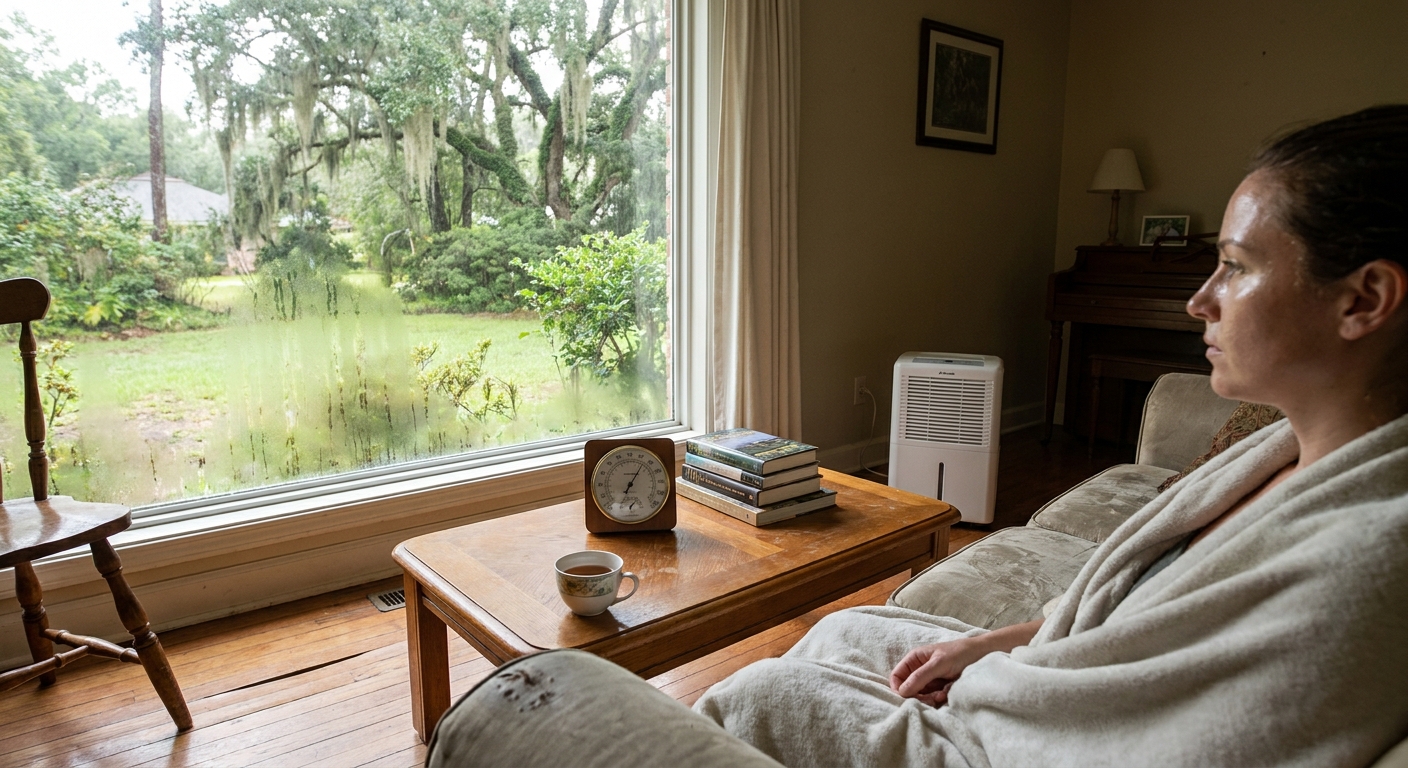
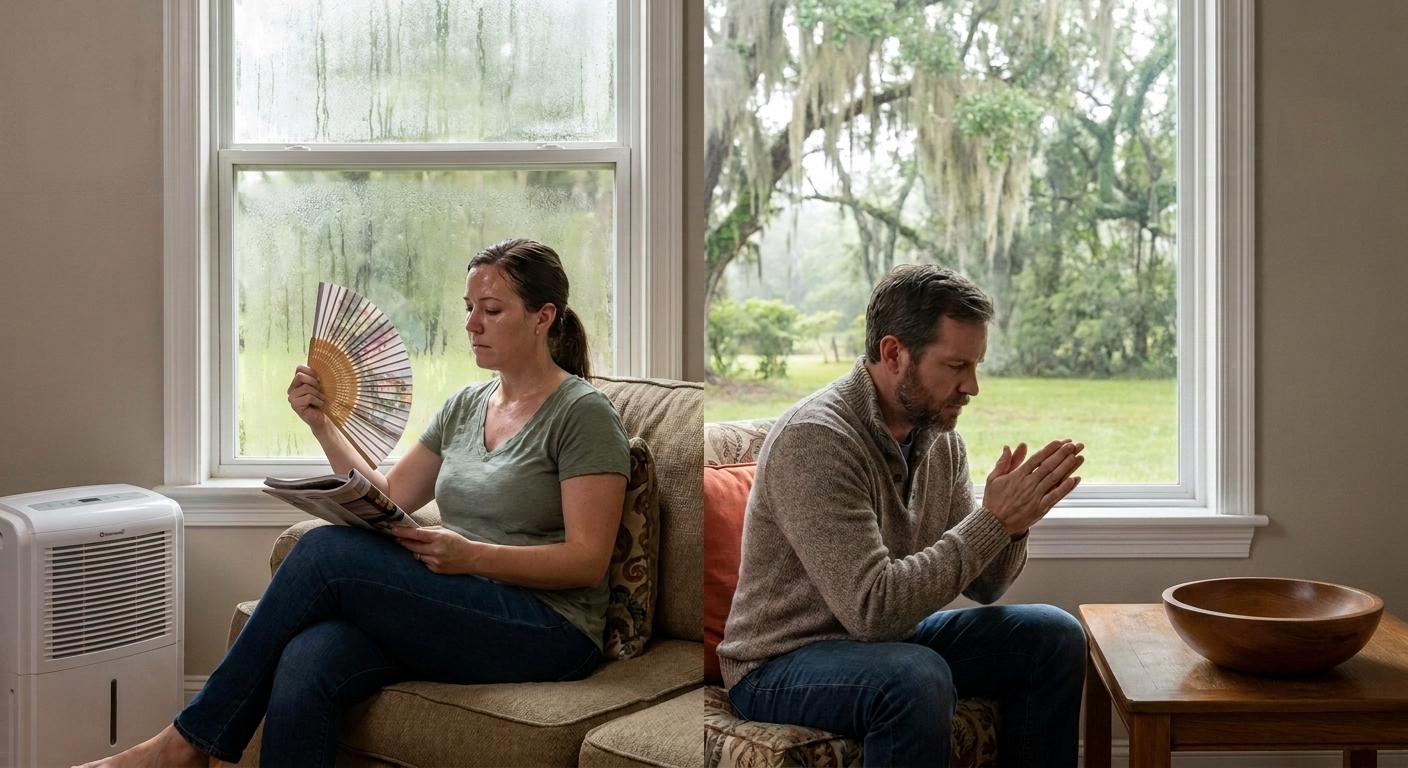
Hammond sits in Louisiana, and that means dealing with thick, heavy air for a good chunk of the year. When indoor levels climb past 50%, the whole house shifts. You feel it first. The air turns sticky. Your skin stays damp. Even with the AC cranked, you can't shake that muggy weight pressing down.
That's because sweat doesn't evaporate when the air's already saturated. Your body's cooling system stalls out, and suddenly 72 degrees feels like 80. You crank the thermostat lower, the unit works overtime, and your power bill climbs—all because moisture is doing what temperature alone can't fix.
- High humidity makes your home feel hotter than it actually is
- Sweat clings to your skin instead of evaporating
- You end up overcooling to compensate, wasting energy
- Mold and mildew thrive when moisture stays elevated
- Wood warps, paint peels, and surfaces degrade faster
Allergens Love What You Hate
Moisture doesn't just make you uncomfortable—it invites trouble. Mold spores, dust mites, and mildew all multiply when the air stays damp. They don't need much. Just consistent humidity above 50% and a little time. Before long, you're dealing with musty smells, respiratory flare-ups, and allergy symptoms that won't quit.
We've seen families struggle with this for months before they realize the air conditioning isn't the issue. The air quality is. And if anyone in your house has asthma or sensitivities, elevated moisture becomes a health risk, not just an annoyance.
- Mold grows on walls, ceilings, and hidden corners
- Dust mites multiply in bedding and upholstery
- Respiratory issues worsen with prolonged exposure
- Musty odors settle into fabrics and furniture
- Kids and elderly family members are hit hardest
Dry Air Brings Its Own Set of Headaches
Flip the calendar to winter, and Hammond homes face the opposite extreme. Heating systems pull moisture out of the air, and suddenly you're dealing with levels that drop below 30%. Your skin cracks. Your throat stays scratchy. Static shocks zap you every time you touch a doorknob.
Low humidity isn't just uncomfortable—it's damaging. Hardwood floors shrink and gap. Furniture joints loosen. Musical instruments crack. Even your immune system takes a hit, because dry nasal passages can't filter out germs as effectively. You're left more vulnerable to colds and infections, all because the air inside is too dry to support basic comfort.
- Skin becomes dry, itchy, and irritated
- Lips chap and eyes feel gritty
- Static electricity damages electronics
- Wood floors and furniture crack or split
- Nasal passages dry out, increasing illness risk
Keeping Levels Where They Belong
You can't control the weather outside, but you can manage what's happening inside your walls. The sweet spot for indoor humidity sits between 30% and 50%. Stay in that range, and you'll breathe easier, sleep better, and stop fighting your thermostat.
Start by measuring. A hygrometer costs less than dinner and tells you exactly where you stand. Once you know your baseline, you can make adjustments. Ventilation helps when moisture builds up—run exhaust fans during showers and cooking. Crack a window when the outdoor air is drier. Don't let steam and condensation settle into your home.
- Use a hygrometer to track moisture levels daily
- Run exhaust fans in bathrooms and kitchens
- Open windows when outdoor humidity is lower
- Seal leaks around doors and windows to control airflow
- Schedule HVAC maintenance to keep systems running efficiently
Tools That Actually Work
Dehumidifiers pull excess moisture out during humid months. They're not glamorous, but they're effective. Set one up in a basement or bedroom, and you'll notice the difference within hours. The air feels lighter. The stickiness fades. Your AC doesn't have to fight as hard.
In winter, humidifiers do the reverse. They add moisture back into dry air, protecting your skin, your sinuses, and your home's structure. Whole-house units integrate with your HVAC system, while portable models handle single rooms. Either way, they're worth the investment if you're serious about comfort.
- Dehumidifiers remove moisture during summer months
- Humidifiers restore balance when heating systems dry out air
- Whole-house systems integrate with HVAC for even coverage
- Portable units target problem areas like bedrooms or basrooms
- Both reduce strain on heating and cooling equipment
Comfort Runs Deeper Than Temperature
Managing indoor humidity isn't about perfection. It's about consistency. You don't need expensive upgrades or complicated systems—just awareness and a few smart habits. Monitor your levels. Adjust when things drift. And don't wait for mold or discomfort to force your hand.
At the end of the day, your home should feel like a refuge, not a struggle. When the air inside works with you instead of against you, everything else falls into place. You sleep better. You breathe easier. And your house holds up longer without fighting moisture damage every season. That's what happens when you stop treating humidity like background noise and start treating it like the factor it actually is.
Let’s Make Your Home Feel Right
We all deserve to feel comfortable at home, no matter what Louisiana’s weather throws our way. If you’re tired of battling sticky summers or dry winters, let’s tackle your indoor humidity together. Give us a call at 985-551-4347 or contact our team today and let’s create a healthier, more comfortable space for your family.
‹ Back
Recent Posts
-
November 19, 2026
How Indoor Humidity Affects Comfort in Hammond Homes
-
November 5, 2026
Reasons Your Heat Pump Might Switch to Emergency Heat
-
October 22, 2026
Do You Need a Bigger AC Unit After a Home Addition in Hammond?
-
October 8, 2026
Simple Ways to Improve AC Airflow in Hammond Homes
-
September 24, 2026
How Long Do Furnaces Usually Last in Hammond?

- MAJANO HEATING AND A/C
11618 Wendell Ln, Hammond, LA 70401 - PHONE
985-551-4347 - EMAIL
Juan.Majano1980@gmail.com
WE’RE OPEN
Monday - Sunday: 24/7
WE ACCEPT



Site by