

November 5, 2026
Reasons Your Heat Pump Might Switch to Emergency Heat
Most homeowners think heat pumps are set-it-and-forget-it systems. Flip the switch, stay warm, call it done. But when that thermostat flashes "emergency heat," you're not just burning extra electricity — you're running on borrowed time. Emergency heat isn't designed for daily use. It's a fallback. A safeguard. And if it's kicking in more than once in a blue moon, something's not right.
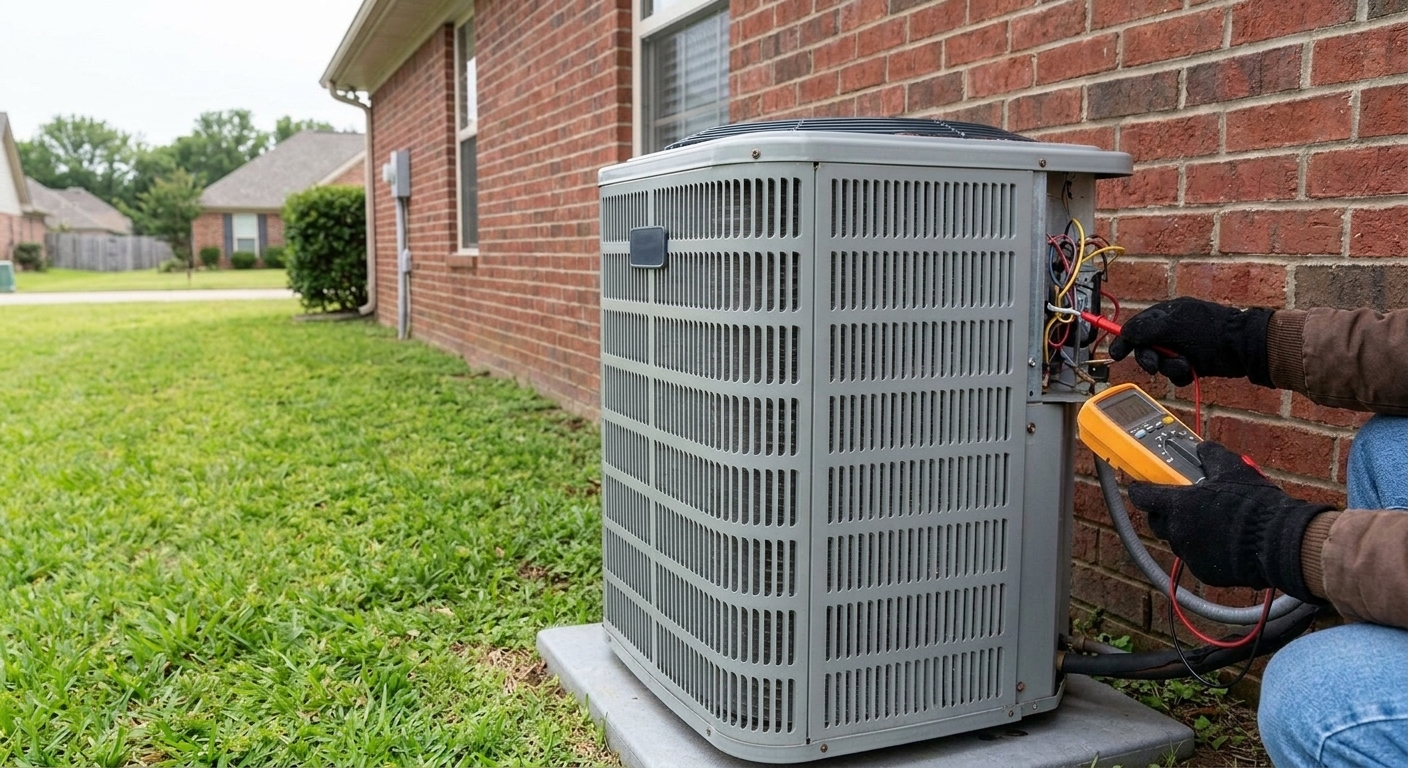
So here's the reality. Your heat pump is built to pull warmth from outside air and move it indoors efficiently. But when conditions shift — or when something breaks — that efficiency goes out the window. Emergency heat takes over, usually through electric resistance coils or a furnace backup. It keeps you comfortable, sure. But it also cranks your utility bill and signals that the primary system can't do its job. Every time it happens, there's a reason. And every reason deserves attention.
The Temperature Drops Below What the System Can Handle
Heat pumps work great in Hammond's typical mild winters. When outdoor temps stay above forty degrees, they run smoothly. But during those rare cold snaps when January lows hit the upper thirties or when we get an unusual dip into the low thirties, the available heat in the air starts shrinking. Your system has to work harder to extract what's left, and at some point, it just can't keep pace with what your home needs.
That's when auxiliary heat steps in. It's automatic. It's expected. And it's not a malfunction — it's physics. The colder it gets outside, the less thermal energy exists to pull indoors. We see this most often during those occasional cold fronts that push through southeast Louisiana or during overnight lows. If your system only switches to emergency heat during these rare cold events, that's normal operation. Just don't leave it running that way longer than necessary, or you'll feel it on the next billing cycle.
Something Inside the Unit Went Wrong
Mechanical failures don't announce themselves politely. A compressor seizes. Refrigerant leaks. A fan motor burns out. And suddenly, your heat pump can't run at all. When the system detects a fault that prevents safe or effective operation, it defaults to emergency heat so you're not left in the cold while waiting for a repair.
This is one of the clearest warning signs that professional heating service is needed. If it's fifty-five degrees outside and your system's on backup heat, that's not weather — that's a breakdown. Don't ignore it. The longer you run on emergency heat, the more you're paying for inefficiency. And the longer the real problem sits unfixed, the worse it can get. Call a tech, get a diagnosis, and handle it before the next cold front rolls in.
Humidity and Dew Point Caused Issues With the Outdoor Coil
Hammond sits in southeast Louisiana where humidity is a year-round fact of life. When it's cold and damp outside — especially on those foggy winter mornings — moisture can build up on the outdoor coil. While temperatures rarely drop low enough for ice, heavy condensation combined with cooler temps can still affect how well your system transfers heat. If drainage gets blocked or the coil stays wet for too long, performance drops.
Common culprits include:
- Clogged drain lines preventing moisture from clearing properly
- Dirty coils that hold moisture longer than they should
- Low refrigerant levels affecting heat transfer
- Faulty sensors that misread conditions and trigger backup heat
- Control board errors that switch modes unnecessarily
If you notice your outdoor unit looking constantly wet or if your system's running on emergency heat during high humidity periods, don't brush it off. Let a technician assess what's causing the problem and fix it properly. Quick fixes don't work here.
You Hit the Switch Yourself
Most thermostats give you manual control over emergency heat. Some homeowners flip it on during a cold spell, thinking they're helping. Others hit it by accident. Either way, once it's activated, it stays that way until you turn it off or reset the system.
Here's the thing — emergency heat isn't free. It's not even close. Electric resistance heating costs roughly three times what your heat pump does under normal operation. So unless your heat pump is genuinely broken or the weather's unusually cold for Hammond, leave that setting alone. If you're manually switching to emergency heat more than once a season, your system probably needs maintenance or repair. Don't mask the problem. Fix it.
The Thermostat or Control Board Got Confused
Sometimes the issue isn't with the heat pump at all. It's with the brain telling it what to do. Thermostats can fail. Wiring can loosen. Sensors can drift. And when the signal gets scrambled, the system may think it needs emergency heat when it really doesn't.
We've seen systems switch modes because of:
- Incorrect thermostat settings or programming errors
- Loose or corroded wiring between the stat and the unit
- Temperature sensor malfunctions that misread conditions
- Software glitches in smart or programmable thermostats
- Compatibility issues after a thermostat upgrade
If your heat pump keeps defaulting to emergency heat without an obvious cause, start with the thermostat. Check the settings. Test the wiring. And if you're not comfortable doing that yourself, bring in someone who is. A bad thermostat can cost you hundreds in wasted energy before you even realize what's happening.
Power Went Out or Electrical Systems Hiccuped
Power outages reset systems. Breakers trip. Fuses blow. And when the electricity comes back on, your heat pump might not restart the way it should. Some units default to emergency heat after an interruption, waiting for a manual reset or a signal that everything's safe to resume.
Electrical problems can also prevent the outdoor unit from running altogether. If the compressor or fan isn't getting power, the system has no choice but to rely on backup heat. This is especially common in older homes with outdated wiring or panels that can't handle the load. If your heat pump frequently trips breakers or struggles after storms — and Hammond gets its share of severe weather — get an electrician involved. Heat pump issues and electrical issues often overlap, and fixing one without addressing the other just kicks the problem down the road.
What Happens When You Ignore the Warning
Running on emergency heat for a day or two won't wreck your system. But stretching it out for weeks? That's where things get expensive and inefficient. You're burning through electricity at a rate your heat pump was designed to avoid. Your carbon footprint climbs. Your comfort drops because resistance heat doesn't distribute warmth the same way. And all the while, whatever caused the switch in the first place is still sitting there, unresolved.
The smarter move is simple:
- Check the thermostat and make sure you didn't manually activate emergency heat
- Look at the outdoor unit for visible damage or excessive moisture buildup
- Note the outdoor temperature and whether the system only switches during cold weather
- Document when the issue started and how often it happens
- Call a licensed HVAC tech if the problem persists or you're unsure what's causing it
Emergency heat exists for a reason. But it's not a long-term solution. It's a signal. And the faster you respond to that signal, the less it'll cost you in repairs, energy, and headaches down the line.
Maintenance Stops Most of This Before It Starts
Annual tune-ups aren't just about cleaning filters. They're about catching small problems before they force your system into emergency mode. A tech can spot refrigerant leaks, test sensors, check electrical connections, and verify that your thermostat is communicating correctly. Most of the reasons heat pumps switch to backup heat are preventable if you're proactive.
Here's what regular HVAC service typically includes:
- Refrigerant level check and leak testing
- Cleaning or replacing air filters and coils
- Testing sensors and control systems
- Inspecting electrical connections and tightening terminals
- Calibrating the thermostat and verifying settings
Skipping maintenance doesn't save money. It just shifts the cost to a bigger repair later — or to your electric bill every month. If you haven't had your heat pump serviced in over a year, now's the time. Especially if you're heading into winter or you've already seen emergency heat kick on unexpectedly.
Your System's Trying to Tell You Something
Emergency heat isn't the enemy. It's the fallback that keeps your home livable when something goes sideways. But if it's showing up more than it should, that's your cue to dig deeper. Whether it's a busted component, a thermostat glitch, or just an unusually cold day for Hammond, every activation has a cause. And every cause has a fix. Don't wait until you're halfway through winter and staring at a four-figure utility bill to take it seriously. Address it now, keep your system running the way it's supposed to, and save yourself the stress and expense of running on backup heat when you don't have to.
Let's Get Your Heat Pump Back on Track
We know how important it is to keep your home comfortable and your energy bills in check. If your heat pump keeps switching to emergency heat, let's tackle the issue together before it turns into a bigger headache. Give us a call at 985-551-4347 or contact us today so we can help you get your system running smoothly again.
‹ Back
Recent Posts
-
November 5, 2026
Reasons Your Heat Pump Might Switch to Emergency Heat
-
October 22, 2026
Do You Need a Bigger AC Unit After a Home Addition in Hammond?
-
October 8, 2026
Simple Ways to Improve AC Airflow in Hammond Homes
-
September 24, 2026
How Long Do Furnaces Usually Last in Hammond?
-
September 10, 2026
How Often Should A Heating System Be Serviced?

- MAJANO HEATING AND A/C
11618 Wendell Ln, Hammond, LA 70401 - PHONE
985-551-4347 - EMAIL
Juan.Majano1980@gmail.com
WE’RE OPEN
Monday - Sunday: 24/7
WE ACCEPT



Site by